
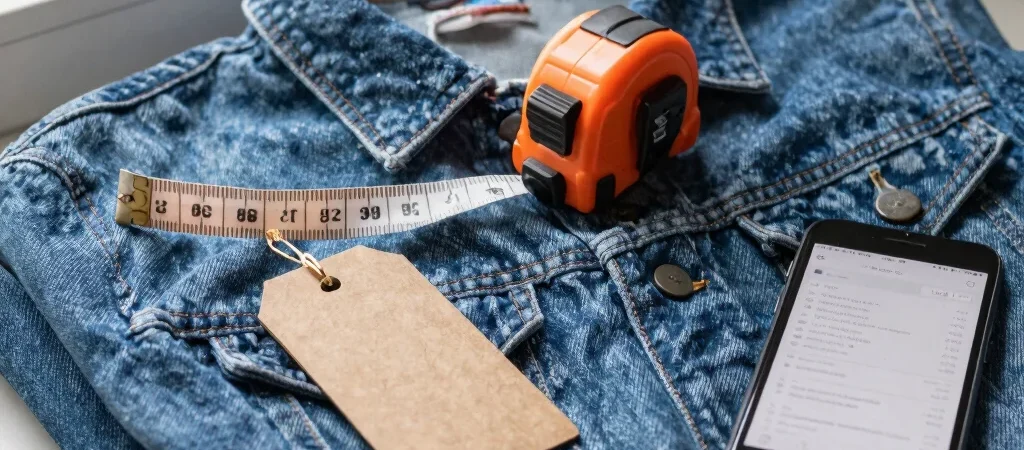
That jacket has been hanging untouched for two winters, but its original price does not tell you what someone will pay for it now. The useful question is what similar items in comparable condition are actually being offered for—and how much effort you want to spend on the sale.
Compare before you list
Look at several listings for the same model, size, or type of item, and pay attention to wear, included accessories, and whether shipping is part of the price. Asking prices are not proof that an item has sold, so treat them as clues rather than a reliable valuation.
Photograph the item in even daylight against a simple background, and show flaws clearly. Include useful details such as measurements, model numbers, or pickup options so buyers can decide whether it fits their needs without a long message exchange.
Count the work and costs
Before choosing a platform, check its current fees, payment process, shipping rules, and local pickup guidance. Packaging, postage, travel, and time spent answering questions can all reduce what you keep.
Set a minimum amount you would accept after costs, then decide in advance whether you are open to offers. For a low-value item, bundling similar things or donating them may be a better use of your time than managing several separate sales.